
Keeping Your Medications Safe During Winter Travel
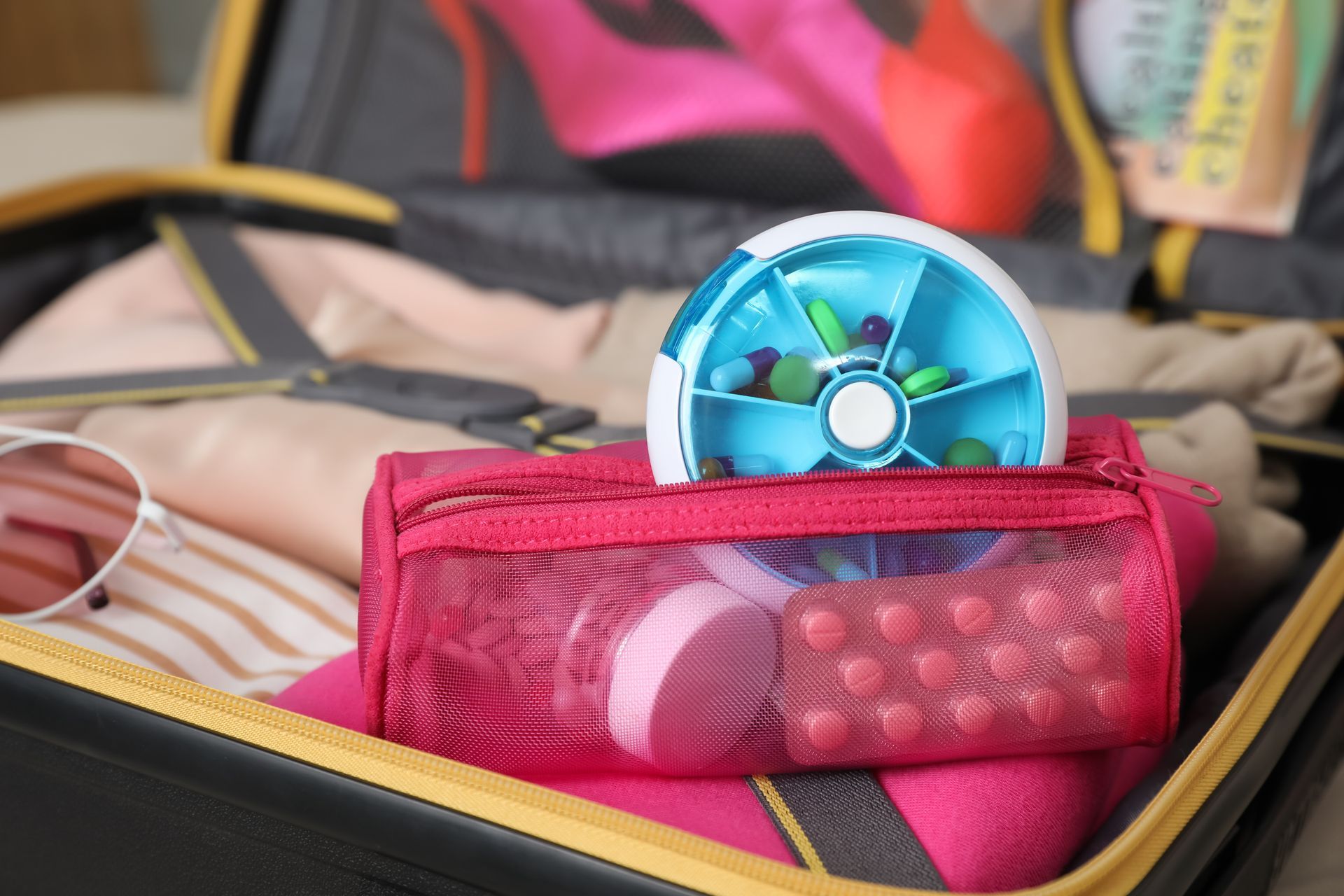
Winter travel often comes with added planning, whether you are heading out for the holidays, visiting family or taking a seasonal getaway. While packing warm clothing and arranging transportation usually take priority, managing medications during winter travel is just as important. Cold temperatures, travel delays and changes in routine can all affect how medications are stored, taken and protected.
With a few thoughtful steps, you can help ensure your medications remain safe, effective and accessible throughout your trip.
Why Winter Travel Creates Medication Challenges
Cold weather introduces risks that do not exist during warmer months. Some medications are sensitive to temperature changes, while others may be affected by moisture, freezing conditions or prolonged exposure to cold air.
Winter travel also increases the likelihood of delays. Snowstorms, flight cancellations and road closures can extend travel time unexpectedly. Without proper planning, travelers may find themselves without enough medication or storing it improperly for longer than intended.
Keep Medications With You at All Times
One of the most important rules of travel medication safety is keeping medications in your carry-on or personal bag. Checked luggage can be delayed, lost or exposed to extreme temperatures in cargo areas.
Keeping medications with you ensures they remain within a more controlled temperature range and are accessible if travel plans change. This is especially important for medications taken daily or on a strict schedule.
Protect Medications From Cold Temperatures
Many medications are designed to be stored at room temperature. Exposure to freezing or near-freezing conditions can reduce their effectiveness or alter their structure.
During winter travel:
- Avoid storing medications in cars overnight
- Keep medications close to your body when outdoors
- Use insulated pouches when traveling in very cold climates
- Do not leave medications near windows or exterior walls
If a medication has been exposed to freezing temperatures, it may no longer be safe to use. A pharmacist can help determine whether a replacement is needed.
Plan for Travel Delays and Extended Trips
Weather-related delays are common in winter. Packing extra medication allows you to maintain your routine even if your return is postponed.
As a general guideline, bringing several extra days’ worth of medication provides a buffer against unexpected disruptions. For prescription medications, it is important to check refill timing ahead of travel and request early refills when appropriate.
Planning ahead helps avoid missed doses during stressful travel situations.
Keep Medications in Original Containers
Original prescription containers provide important information, including dosing instructions, medication names and prescribing provider details. This is especially helpful during travel if medical care is needed or questions arise.
Original containers can also simplify security screenings and reduce confusion if medications need to be identified quickly.
Be Mindful of Storage Conditions at Your Destination
Once you arrive, consider where medications are stored. Hotel rooms, vacation rentals and guest homes can have varying temperature control.
Choose a dry, temperature-stable location away from direct heat sources or cold drafts. Bathrooms are often not ideal due to humidity, which can affect certain medications.
If refrigeration is required, confirm that reliable refrigeration is available and functioning properly.
Stay on Schedule Despite Routine Changes
Travel often disrupts daily routines, which can lead to missed or delayed doses. Setting reminders on your phone or keeping a written schedule can help maintain consistency.
Time zone changes may also affect dosing schedules. In some cases, gradual adjustments are recommended. A pharmacist can provide guidance on how to manage timing changes safely.
Consistency is especially important for medications that require steady levels in the body.
Do Not Share or Substitute Medications
During travel, it may be tempting to borrow medication from others if something is forgotten. Medications should never be shared, even if symptoms appear similar.
Using the wrong medication or dosage can cause unintended side effects or interactions. If medication issues arise while traveling, contacting a pharmacy for guidance is a safer option.
Keep Emergency Information Accessible
Having a list of current medications, dosages and allergies can be helpful in case of an emergency. This information may be stored on a phone, carried in a wallet or displayed through medical ID jewelry that emergency responders are trained to look for.
Keeping details accessible helps support faster, safer care if medical attention is needed away from home.
Talk to Our Houston Pharmacy if You Have Concerns About Medication Management While Traveling
If you are a Houston-area resident planning winter travel and have questions about medication storage, refills or travel safety, St. Hope Pharmacy can provide personalized support. Contact us to review your prescriptions, plan refills and receive expert advice before your next winter trip.

