
Why Your Medication Might Be Causing Dizziness
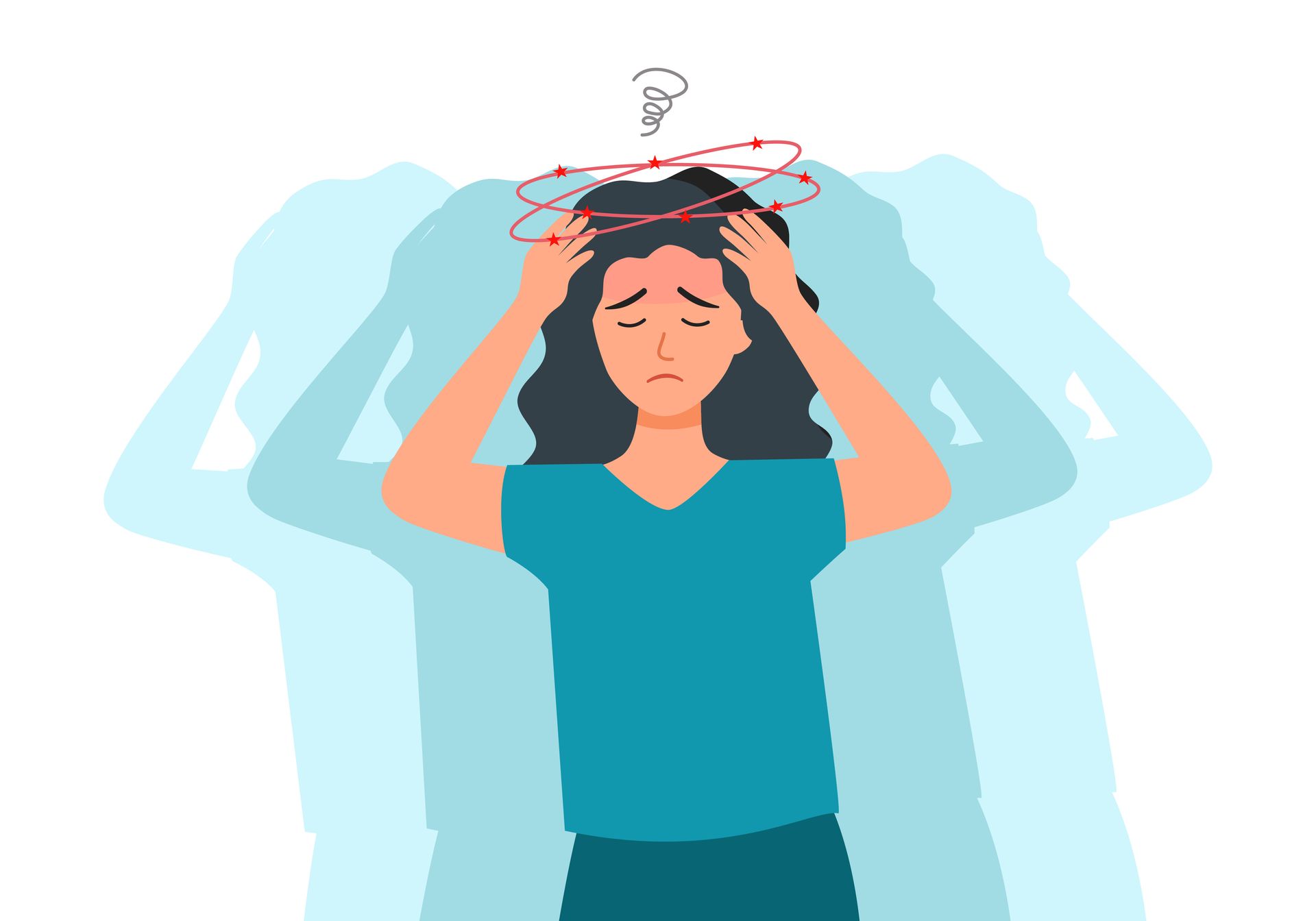
Feeling dizzy is always a little disconcerting, especially if it's not something you're used to dealing with. Whether you should be worried about it depends on the cause. If you feel dizzy after spinning around in circles or watched something spinning, chances are you're fine. If you begin experiencing dizziness without any obvious cause after you've begun taking a new medication, the medication may be to blame.
How Medications Can Cause Dizziness
Dizziness is not a condition itself but rather a symptom that can result from several changes in the body. Certain medications can affect blood pressure, hydration levels, inner ear balance or the nervous system. When these systems are disrupted, dizziness may occur.
Some people experience dizziness shortly after starting a new medication, while others may notice symptoms when their dosage changes or when medications interact with one another. Because many medications influence circulation and brain signaling, dizziness is one of the most commonly reported side effects across multiple drug categories.
If you recently began a new medication or adjusted a dosage and started feeling lightheaded, your prescription could be playing a role.
Blood Pressure Medications
Blood pressure medications are designed to lower pressure in the arteries to reduce strain on the heart and decrease the risk of heart attack or stroke. However, when blood pressure drops too quickly or too much, it can reduce blood flow to the brain temporarily. This may cause symptoms such as:
- Lightheadedness
- Feeling faint when standing up
- Blurred vision
- Unsteadiness
This is sometimes referred to as orthostatic hypotension, which occurs when blood pressure drops when moving from sitting or lying down to standing.
Common blood pressure medications that may cause dizziness include diuretics, ACE inhibitors, beta blockers and calcium channel blockers. These medications are very effective for managing cardiovascular health, but adjustments to dosage or timing may be needed if dizziness occurs.
Patients should never stop blood pressure medications on their own, but discussing symptoms with a healthcare provider or pharmacist can help determine the safest approach.
Dehydration and Diuretics
Diuretics, often called “water pills,” are frequently prescribed to treat high blood pressure, swelling or certain heart conditions.
These medications work by helping the body remove excess sodium and water through urine. While this can be beneficial for controlling blood pressure, it may also reduce fluid levels in the body.
When dehydration occurs, blood volume can drop slightly, leading to dizziness or weakness. This may be more noticeable in hot weather, during illness or when someone is not drinking enough fluids.
Signs dehydration may be contributing to dizziness include:
- Dry mouth
- Fatigue
- Dark urine
- Increased thirst
- Headache
Drinking adequate fluids and monitoring electrolyte balance can help reduce the risk of medication-related dehydration.
Drug Interactions
Another potential cause of dizziness is medication interaction. When multiple medications are taken together, they may affect each other’s absorption or amplify certain side effects.
For example, combining medications that lower blood pressure with other drugs that cause sedation or relaxation of blood vessels can increase the likelihood of dizziness. Similarly, some medications may slow the nervous system, making feelings of imbalance or lightheadedness more noticeable.
Drug interactions can occur between:
- Prescription medications
- Over-the-counter medications
- Herbal supplements
- Vitamins
Because many people take several medications or supplements at once, it is important to review them regularly with a pharmacist or healthcare provider.
Other Medications That Can Cause Dizziness
While blood pressure medications are a common cause of dizziness, several other types of medications may also contribute. These include:
- Antidepressants
- Anti-anxiety medications
- Sleep aids
- Pain medications
- Allergy medications
- Antibiotics
- Medications used to treat heart rhythm conditions
Each of these medications can affect the brain, circulation or balance mechanisms in different ways. Some people are also more sensitive to certain medications, meaning side effects may appear even at standard doses.
Keeping track of when dizziness occurs can help identify which medication or combination is the primary cause of the sensation.
When to Seek Medical Evaluation
Occasional mild dizziness can happen with many medications, particularly when starting a new prescription. However, some symptoms should prompt medical evaluation.
You should contact a healthcare provider if dizziness:
- Is severe or persistent
- Causes fainting or near-fainting
- Occurs with chest pain or shortness of breath
- Is accompanied by confusion or vision changes
- Interferes with daily activities
Sudden or severe dizziness should always be evaluated promptly, especially if it appears alongside neurological symptoms.
Houston Patients Experiencing Dizziness Can Discuss Their Medications With Our Pharmacists
We provide medication reviews, answer questions about potential side effects and work closely with healthcare providers to ensure prescriptions are used safely.
If you are experiencing dizziness and think your medication may be the cause, contact St. Hope Pharmacy today.

